Sacred Stones of India
Sacred Stones of India
Where Faith, History, and Architecture Stand Timeless
Introduction
In India, temples are not isolated religious buildings. They are cultural centers where art, music, education, and community life have flourished for generations. Ancient temples served as schools, libraries, economic hubs, and even astronomical observatories.
Unlike modern constructions, temples were designed to align with cosmic principles. Every pillar, step, and sculpture had meaning — connecting humans with nature and the divine.
India is a land where stone is not merely a building material but a living witness to faith, history, and civilization. Across centuries, sacred stones have been carved, worshipped, and preserved as temples — spaces where spirituality meets architectural brilliance. These temples are not just religious centers but cultural archives that narrate India’s timeless devotion and artistic excellence.

Temples: The Spiritual Backbone of India
Indian temples serve as the spiritual backbone of society. From daily rituals to grand festivals, temples shape the rhythm of life. They are places of prayer, learning, music, dance, and community gathering.
Unlike modern structures, temples were designed following Vastu Shastra and Agama Shastras, ensuring harmony between human life and cosmic energy.
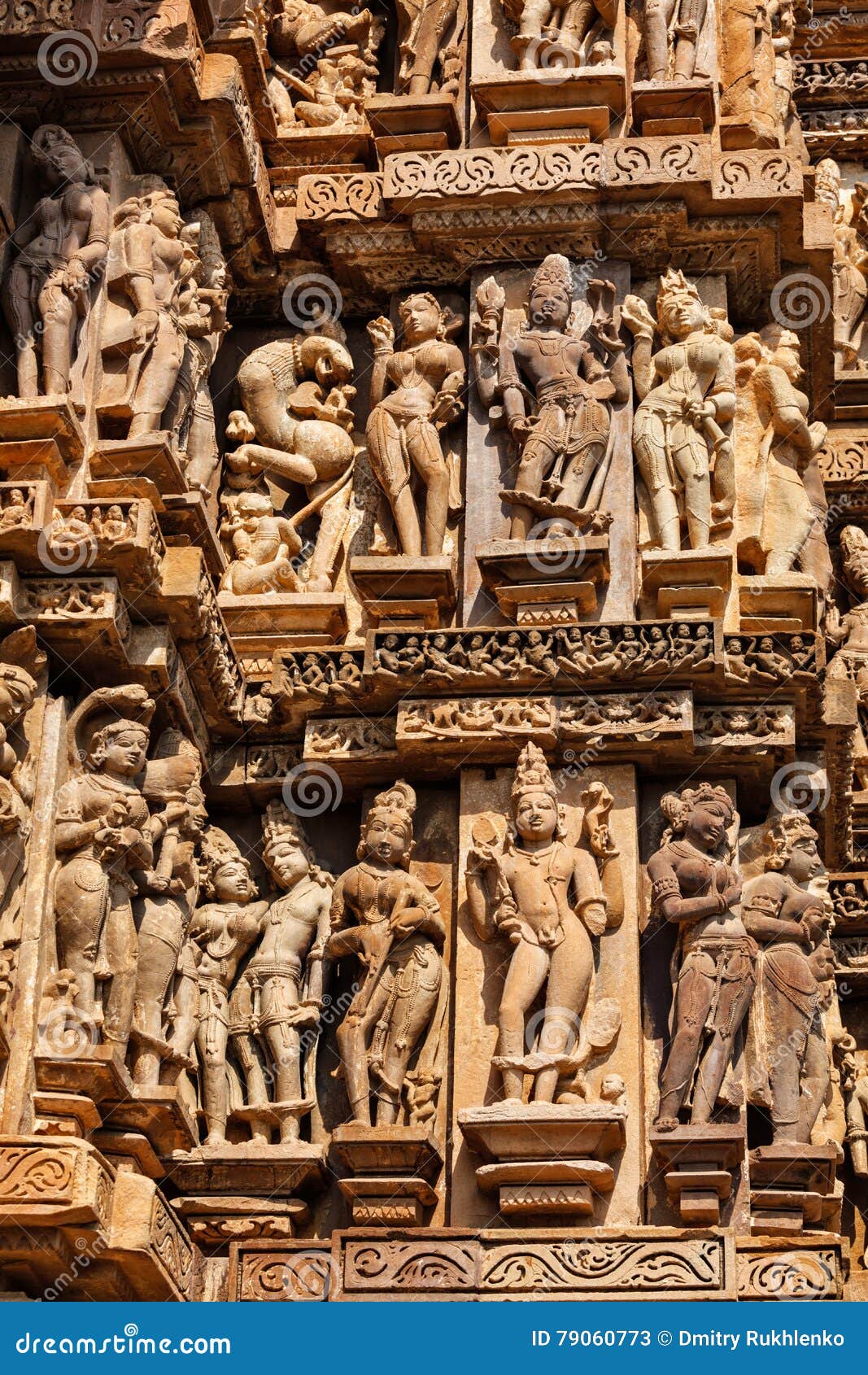
Sacred Stones and Divine Geometry
Every stone in an Indian temple carries meaning. The placement of the Garbhagriha (sanctum), pillars, mandapas, and towers follows sacred geometry. Stones were chosen carefully, carved patiently, and assembled without modern machinery — a testament to ancient engineering skills.
The belief is simple yet powerful:
Stone becomes divine when devotion breathes life into it.
Indian temples are deeply connected to natural elements:
-
Rivers (Varanasi, Srirangam)
-
Mountains (Tirupati, Kedarnath)
-
Forests (Chidambaram, Sabarimala)
-
Coasts (Konark, Rameswaram)
This placement reflects the belief that divinity exists in nature itself. Temples amplify this sacred energy rather than dominate the landscape.
Architectural Styles Across India
India’s temples vary dramatically by region, yet all echo devotion.
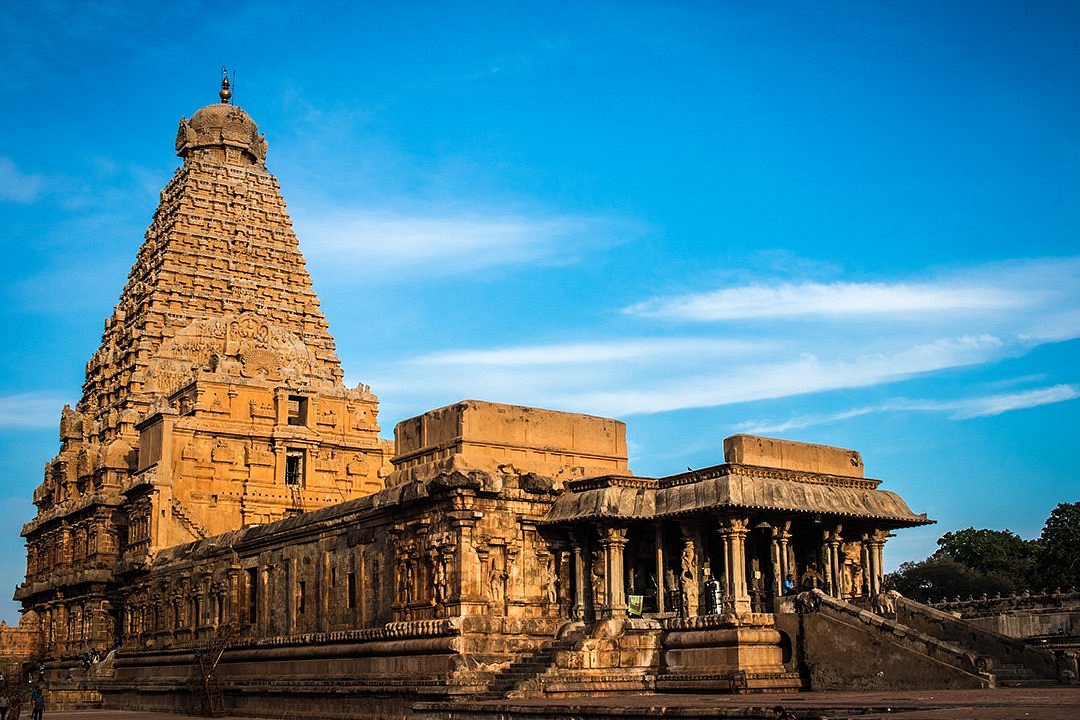
1. Dravidian Style (South India)
-
Towering Gopurams
-
Detailed stone carvings
-
Examples: Brihadeeswarar Temple, Meenakshi Temple
2. Nagara Style (North India)
-
Curved Shikharas
-
Compact sanctums
-
Examples: Kashi Vishwanath, Khajuraho Temples
3. Vesara Style (Deccan Region)
-
Blend of North and South styles
-
Example: Hoysala Temples, Badami
Temples as Cultural Time Capsules
Indian temples preserve more than religion — they safeguard:
-
Epics carved in stone
-
Classical dance postures
-
Ancient inscriptions
-
Social customs and royal patronage
Many temples have survived invasions, natural disasters, and centuries of change, standing firm like silent guardians of history.
Living Faith in the Modern World
Even today, temples remain alive. Millions visit Tirupati, Kashi, Rameswaram, and Shirdi, proving that faith has not faded with time. While cities modernize, temples continue to anchor people to tradition, discipline, and hope.
Sacred stones remind us that progress and tradition can coexist.
Conclusion: More Than Stone, More Than Time
The sacred stones of India are not lifeless monuments. They breathe faith, history, and identity. Each temple tells a story — of kings and craftsmen, saints and seekers, devotion and design.
To understand India, one must walk barefoot on temple stones worn smooth by centuries of belief. In those stones lie the soul of a civilization that refuses to fade.
Comments
Post a Comment